Education in Russia is compulsory up to the 9th form inclusive. The stages of compulsory schooling in Russia are: primary education for ages 6-7 to 9-10 inclusive; and senior school for ages 10-11 to 12-13 inclusive, and senior school for ages 13-14 to 14-15 inclusive. If a pupil of secondary school wishes to go on in higher education, he or she must stay at school for two more years. Primary and secondary school together comprise 11 years of study. Every school has a "core curriculum" of academic subjects. After finishing the 9th form one can go on to a vocational school which offer programmes of academic subjects and a programme of training in a technical field, or a profession.
Food:
The top five components of a Russian meal are potatoes, bread, eggs, meat (especially beef) and butter. Other popular foods include cabbage, milk, sour cream, curds, mushrooms, lard, cucumbers, tomatoes, apples, berries, honey, sugar, salt, garlic, and onions.
Arts & Literature:

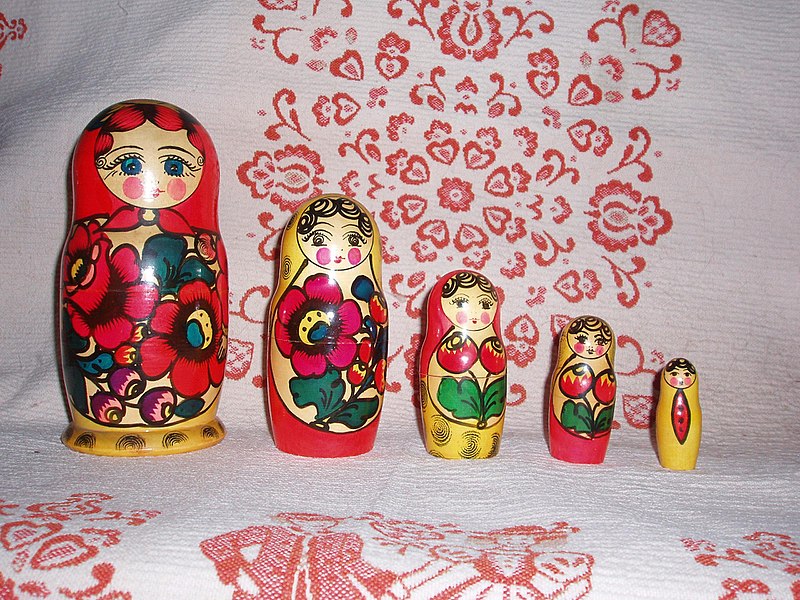
Early Russian art seems to be in the style
shown to the left.
The Russians also express art in architecture.



Russian literature is considered to be among the most influential and developed in the world, contributing many of the world's most famous literary works. Russia's literary history dates back to the 10th century; in the 18th century its development was boosted by the works of Mikhail Lomonosov and Denis Fonvizin, and by the early 19th century a modern native tradition had emerged, producing some of the greatest writers of all time.
Sports:
Russians have been successful at a number of sports and consistently finish in the top rankings at the Olympic Games and in other international competitions. Combining the total medals of Soviet Union and Russia, the country is second among all nations by number of gold medals both at the Summer Olympics and at the Winter Olympics.They play things like basketball, soccer, ice hockey and much more.Entertainment Industry:
Russians seem to use the internet a lot, and they watch movies.
Clothing:


.jpg)